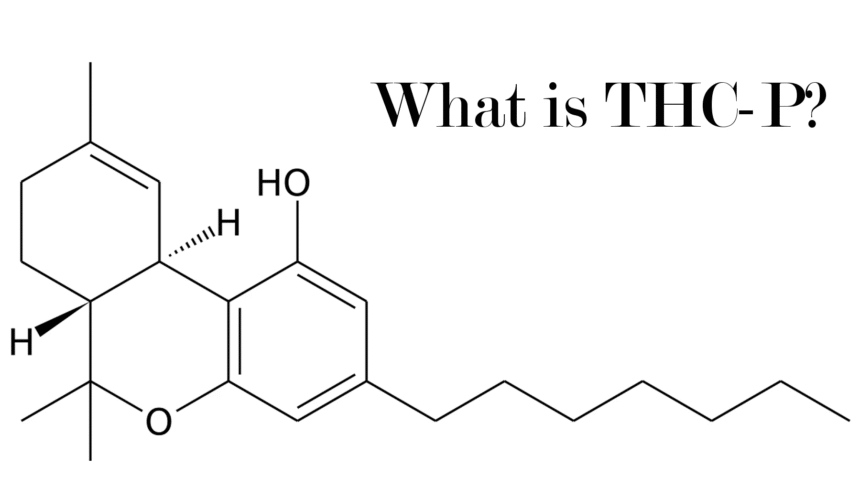
A new family of cannabinoids, often called altnoids, has moved from obscure chemistry papers into online shops, vape carts, and social feeds. At the forefront is THC-P (Δ⁹-tetrahydrocannabiphorol), a heptyl-chain homologue of Δ⁹-THC that grabbed headlines after scientists reported it in Cannabis sativa in 2019. The discovery raised an electrifying facts: THC-P binds much more tightly to the brain’s CB₁ receptor than ordinary THC. Most of the THC-P you see sold today is coming from a market created by prohibition and patchwork regulation, not from a carefully regulated medical or recreational framework.
This article walks through what we know (and don’t know) about THC-P: its history, the science so far, responsible harm reduction advice for people who will encounter it, and the wider policy lesson, that a legal, regulated cannabis market is far safer than a wild market of novel, poorly studied cannabinoids.
A brief history: from synthetic homologues to a modern “discovery”
Chemists have been synthesizing THC homologues since the 1940s, exploring how changing the molecule’s alkyl side chain alters activity. The modern story of THC-P begins with analytic chemistry: in 2019 a team of Italian researchers identified THCP (THC-P) and related compounds in cannabis samples and characterized them in the lab and in mice showing striking CB₁ binding and cannabimimetic activity in animal models. Subsequent surveys of cannabis accessions have confirmed that heptyl (C7) THC-type compounds do occur naturally, albeit at trace levels.
So, although the chemical concept isn’t brand new, THC-P’s emergence as a commercial product is recent and driven by modern hemp/CBD supply chains and synthetic chemistry that scale rare or trace cannabinoids into marketable amounts.
What the science says so far
The key laboratory finding that put THC-P on the map is its very high binding affinity for the CB₁ receptor, measured in vitro at a much lower Ki than Δ⁹-THC. That suggests it can “grab” CB₁ more tightly; in mice it produced cannabimimetic effects stronger than ordinary THC. But a crucial caveat: binding affinity in a dish and activity in rodents don’t map one to one to human psychoactivity or safety. We simply lack controlled human trials.
Beyond those original assays, most of what’s available is either (a) case reports and user anecdotes, or (b) market and regulatory analyses noting that THC-P and similar altnoids have been scaled up from hemp derived feedstocks. That patchwork of early science and crowd sourced reports is useful for hypothesis generation, but it’s not a substitute for human pharmacology, toxicology, dose response studies, or long term safety monitoring.
Reported effects (what people say, and what the lab suggests)
- Anecdotes and early reports describe effects similar to THC (euphoria, altered perception, relaxation), often stronger and longer lasting at lower milligram amounts than typical Δ⁹-THC products; some users report intense psychoactivity, anxiety, or protracted cognitive effects.
- Animal data indicate more potent cannabimimetic activity compared with Δ⁹-THC.
- Important caveat: potency inferred from receptor affinity does not equate to a predictable human dose or safety profile, pharmacokinetics, metabolites, and individual sensitivity all matter.
Harm-reduction guidance (practical & cautious — no specific mg dosing)
Because there are no validated clinical dosing studies for THC-P in humans, offering precise milligram recommendations would be irresponsible. Instead, here are rigorous, practical harm reduction principles for people who will nevertheless encounter THC-P products in the current unregulated marketplace:
- Prefer tested, transparent products. Seek vendors who provide recent third party Certificates of Analysis (COAs) showing identity, potency, and absence of contaminants (residual solvents, heavy metals, pesticides). If no COA exists, treat the product as high risk.
- Start at a fraction of what you would take of a known THC product, and wait. With unknown pharmacokinetics, effects may come on slowly or persist long; “start low, go slow” is essential. (Because human dose response is unknown, err on the side of extreme conservatism.)
- Avoid mixing substances. Don’t combine THC-P with alcohol, benzodiazepines, opioids, or other psychoactives. These combinations raise the likelihood of adverse reactions.
- Choose a safe setting & sober sitter. First exposures to novel high potency cannabinoids should be done in a calm, familiar place with a sober trusted person present.
- Avoid vulnerable populations. Pregnant or breastfeeding people, adolescents, people with psychosis history or serious cardiac conditions should avoid THC-P given the unknown risks.
- Check interactions with medications. Cannabinoids can interfere with liver enzymes; if you take prescription meds, consult a clinician before experimenting.
- Report adverse events. If you experience severe or lasting harm, seek medical care and report the event to local public-health authorities so data can accumulate.
These steps prioritize safety without moralizing use, recognizing people will try new cannabinoids whether or not they’re legally regulated.
Legal reality and why this market exists
THC-P’s commercial rise is tightly linked to the regulatory landscape. Hemp legalization and CBD supply lines created abundant starting material for chemical conversion or for enriching trace natural cannabinoids. The 2019 discovery created scientific interest; entrepreneurs created supply; and legal ambiguity allowed products to proliferate in many jurisdictions. But that legal limbo is volatile: some regulators treat novel psychoactive cannabinoids derived from hemp as lawful; others point out that synthetically produced THC analogues can be considered illegal “synthetic” tetrahydrocannabinols under existing drug statutes. The result is a patchwork of availability and enforcement.
Long term safety: the inconvenient truth
We lack long term human safety data for THC-P. No randomized controlled trials exist; no chronic use toxicology programs have been published; and real world adverse event surveillance is spotty. A small but concerning number of case reports and user accounts describe severe reactions following single or multiple exposures, suggesting that high potency can create acute psychiatric or physiological harms, especially in susceptible individuals. This uncertainty argues for extreme caution and for redirecting energy into clinical research.
The bigger policy question: which is worse for public health?
Ask the blunt question: which poses a greater public health threat?
- A wild market of unregulated, novel cannabinoids, cheaply synthesized, sold without testing, and whose long term safety is unknown; or
- A legal, regulated, licensed cannabis supply, with tested products, labeling, age limits, and funded public health programs?
The balance of evidence and logic supports the latter. Regulation enables testing, consistent dosing, surveillance, restrictions on youth access, and revenue that can fund health education and treatment. Prohibition and regulatory gaps, by contrast, incentivize chemical workarounds and push consumers toward potentially riskier, poorly characterized products. In other words: THC-P’s popularity is a symptom of policy failure, not a scientific inevitability.
A positive tack: how to move forward
If THC-P or similar cannabinoids hold therapeutic or recreational value, here’s a sensible blueprint:
- Prioritize research. Fund human pharmacology and safety trials for THC-P to establish dose ranges, metabolites, interactions, and contraindications. The original identification studies give a strong rationale for clinical follow up.
- Mandate testing & transparency. Require third party labs, clear labeling, and COAs for any cannabinoid product offered to consumers.
- Regulate access. Age limits, purchase limits, and restrictions on advertising reduce societal harms.
- Redirect enforcement. Focus criminal justice resources on serious harms, while using regulatory tools to limit dangerous products.
- Protect small growers & genetic diversity. Ensure regulation doesn’t simply hand markets to large chemical manufacturers; preserve natural cannabis research and biodiversity.
These are pragmatic, pro public health steps that also support adult access and medical innovation.
Bottom line
THC-P is real, interesting, and potentially powerful, and the scientific discovery that identified it (2019) opened a promising line of research. But the compound currently sits in a risky space: high scientific potential, minimal human data, and a market mostly driven by legal ambiguity. That combination makes it a poster child for why legalization plus regulation and robust research is the safer, more humane path for societies that care about both personal freedom and public health.