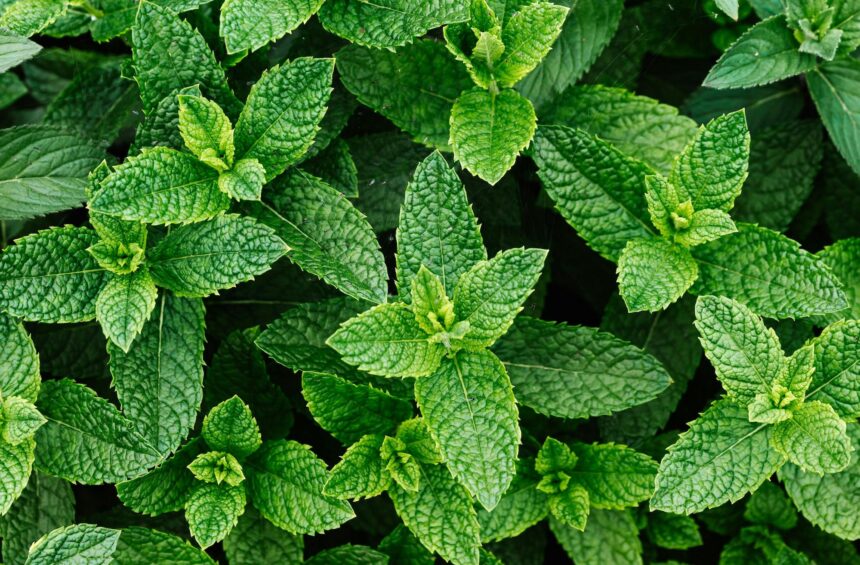
If terpenes were a festival, ocimene would be the barefoot dancer twirling around in the sunshine, sweet, citrusy, a little herbal, and full of vibrant energy. It’s not as famous as limonene or myrcene, but when it shows up, it gives a fragrance that’s bright, uplifting, and just a touch exotic. Historically, ocimene rich plants were used in herbal medicine to help with coughs, infections, and even as natural pest repellents. Now, modern science is giving this free-spirited terpene a closer look.
Where ocimene pops up naturally 🌱
This floral meets herbal terpene has a surprisingly wide range:
- Mint 🌿
- Parsley
- Basil
- Orchids 🌸
- Kumquats & citrus fruits 🍊
- Mangoes 🥭
- Cannabis (especially in sweet or tropical-leaning strains)
If you’ve ever noticed a fruity, sweet, almost tropical brightness in a herb garden or fruit bowl, chances are ocimene was making itself known.
Historical & folk uses 🧴
Plants rich in ocimene have been cherished in traditional remedies for centuries:
- Mint & basil teas: used to ease congestion, soothe the gut, and lift low moods.
- Orchid extracts: sometimes featured in folk beauty treatments and tonics.
- Herbal insect repellents: ocimene-rich herbs were hung up in homes to keep bugs at bay.
- Aromatherapy: citrusy ocimene blends used for energising and refreshing the mind.
In short, ocimene was always the herbaceous spark in the apothecary.
What science says 🔬
1. Anti-inflammatory properties
Cell studies suggest ocimene can reduce inflammatory markers, showing potential for managing conditions tied to chronic inflammation. While no large human trials yet, it backs up why ocimene herbs were used to treat coughs and congestion.
2. Antiviral activity
Some lab tests found ocimene-rich essential oils (like basil) have antiviral effects, with activity against certain strains of the common cold virus. This could explain the long-standing use of basil tea for sniffles.
3. Antifungal & antimicrobial
Ocimene demonstrates antifungal activity against certain moulds and yeasts, and antimicrobial activity against bacteria. Again, most of this is in vitro, but it’s promising for natural medicine and food preservation.
4. Antioxidant potential
Like many terpenes, ocimene shows antioxidant effects, protecting cells from oxidative stress and possibly slowing the onset of ageing related issues.
5. Respiratory benefits
Because of its decongestant properties, ocimene has been linked to easing bronchial conditions and is often found in essential oil blends marketed for cold and flu support.
Safety & reality check 🧪
- Safe in everyday herbs: Found in common kitchen staples, so dietary exposure is normal and harmless.
- Essential oils: Should always be diluted to avoid skin irritation.
- Clinical gap: Most of the research is still in test tubes and animal models. We don’t yet have robust human trials to prove therapeutic benefits.
The big picture 🌸
Ocimene is the sweet, floral, citrusy free spirit of the terpene world. Found in herbs, fruits, and cannabis, it’s been used historically for coughs, infections, and refreshing aromatherapy. Modern science suggests it may offer anti-inflammatory, antioxidant, antimicrobial, and even antiviral effects, though most evidence is still early stage.
So next time you smell that fruity, herbal sparkle in basil, mint, or mango, tip your hat to ocimene, the terpene that’s equal parts sunshine, spice, and science waiting to unfold. 🌿✨