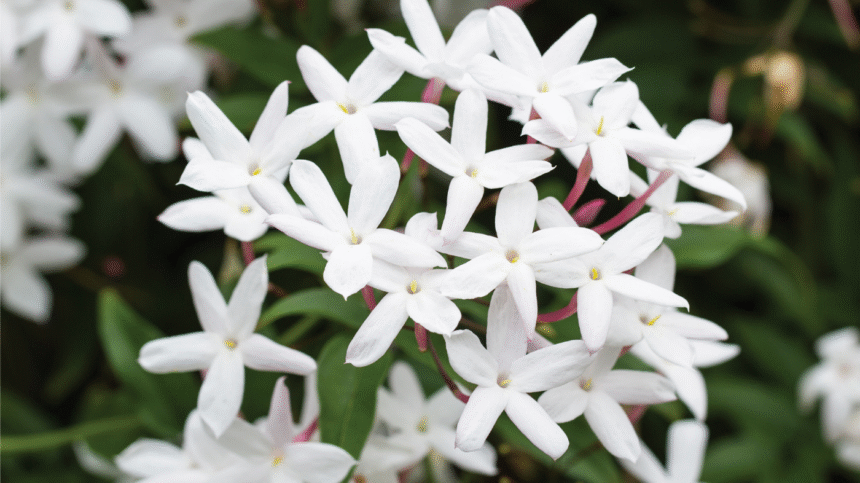
If terpenes were a cast of characters, nerolidol would be the one reclining in a hammock, sipping a herbal tea, and whispering, “Relax, mate, everything’s gonna be fine.” With a soft, woody, floral aroma that feels like a spa day bottled, nerolidol is less in your face than limonene or pinene, but it’s got a quiet magic all its own. Historically celebrated in herbal medicine for its calming and healing qualities, science now suggests nerolidol might be one of the terpene world’s most therapeutic heavy hitters.
Where nerolidol shows up naturally 🌱
This smooth and subtle terpene is widespread in plants, fruits, and flowers, especially those with relaxing reputations:
- Jasmine 🌼
- Lavender 💜
- Tea tree 🌿
- Lemongrass & ginger 🍋
- Orange blossom 🌸
- Cannabis (in some floral, calming strains)
Its scent profile? Think freshly cut wood with a floral citrus twist, grounding, soothing, and faintly exotic.
Traditional uses 🧴
For centuries, plants containing nerolidol have popped up in traditional healing rituals:
- Lavender oils & teas: for relaxation, anxiety relief, and better sleep.
- Jasmine oils: for calming nerves and easing stress.
- Tea tree applications: for skin infections, cuts, and antimicrobial purposes.
- Folk remedies: used as a mild sedative and digestive soother.
So even before science caught up, nerolidol was the herbalist’s secret weapon for unwinding body and mind.
What the science says 🔬
1. Sedative & anxiolytic (anti-anxiety)
Animal studies show nerolidol has sedative and anti-anxiety effects, calming the nervous system and even improving sleep quality. This lines up perfectly with lavender’s long history in bedtime rituals.
2. Antioxidant & anti-inflammatory
Nerolidol demonstrates strong antioxidant properties, protecting cells from oxidative stress, and anti-inflammatory effects, reducing markers of swelling and irritation in preclinical studies.
3. Antiparasitic & antimicrobial
One of nerolidol’s standout talents: it’s been shown to be effective against malaria parasites, Leishmania (a tropical parasite), and even some bacteria and fungi. Researchers are exploring it as a potential natural aid in tackling tough infections.
4. Skin health
Thanks to its antimicrobial and antioxidant combo, nerolidol has been tested in skincare for wound healing, acne, and infection prevention. Plus, its ability to enhance skin permeability makes it a potential transdermal drug delivery booster, meaning it could help medicines absorb better through the skin.
5. Neuroprotection
Preclinical studies suggest nerolidol may protect against neurodegenerative conditions by reducing oxidative stress and inflammation in brain cells. Early days, but highly promising.
Safety & reality check 🧪
- Dietary safe: Found in herbs, teas, and oils used daily.
- Essential oils: Should always be diluted before topical use.
- Clinical gap: Human trials are still limited; most findings come from animal and lab studies.
The big picture 🌺
Nerolidol is the gentle powerhouse of the terpene world, woody, floral, and deeply calming. Found in jasmine, lavender, tea tree, and cannabis, it’s long been a go to in herbal remedies for stress, sleep, skin, and infections. Science now confirms its potential as an anti-anxiety, antioxidant, antiparasitic, and neuroprotective agent, though most evidence is still early-stage.
So next time you breathe in jasmine tea or lavender oil, give a nod to nerolidol, the terpene that lulls your nervous system, shields your cells, and keeps things zen. 🌙✨