If terpenes were guests at a dinner party, delta-3-carene would be the cheeky one making everyone laugh while occasionally spilling their drink. Why? Because it’s got a sweet, citrusy, pine-fresh aroma with a slightly sharp edge, and it’s famous for causing that sneezy, tickly nose effect in some cannabis strains. This lively little terpene is much more than a fragrant troublemaker though: historically prized for its medicinal kick, and now being explored for its potential in bone health, inflammation, and more.
Where you’ll find delta-3-carene naturally 🌱
Delta-3-carene pops up across a variety of fragrant botanicals and foods:
- Pine trees & cedar 🌲
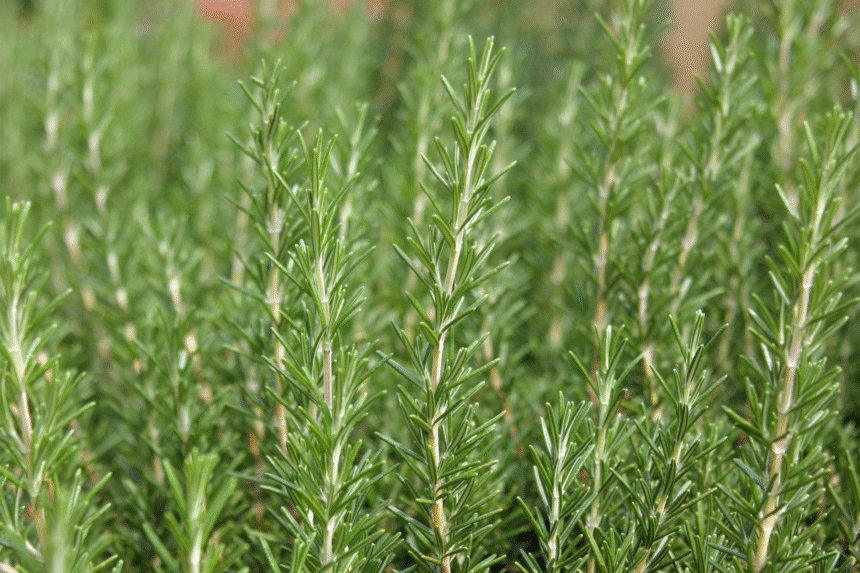
- Rosemary 🌿
- Basil & parsley
- Turpentine (yep, really!)
- Oranges & citrus fruits 🍊
- Cannabis (especially in strains known for their sharp, pungent edge)
Its aroma is fresh, sweet, and tangy, with undertones of pine needles, a proper woodland meets citrus vibe.
Historical uses 🧴
Plants containing delta-3-carene have been used for centuries in folk remedies:
- Herbal teas with rosemary or basil for respiratory support and clearing phlegm.
- Topical balms with pine oils for joint aches and inflammation.
- Traditional incense & oils for warding off insects and freshening the air.
- Even as a component in turpentine-based medicine (old-school, but not one we’d recommend now!).
What science says 🔬
Delta-3-carene has caught the attention of researchers for some surprising properties:
1. Bone health & osteoporosis
One of the most fascinating studies suggested delta-3-carene may stimulate bone growth, making it potentially useful in preventing or treating osteoporosis. This is rare in the terpene world and has put carene on the scientific radar.
2. Anti-inflammatory & analgesic
Animal studies show carene has anti-inflammatory properties, reducing swelling and discomfort. It’s also been linked to mild pain relieving effects, echoing its use in traditional remedies for arthritis and joint pain.
3. Memory support
Some preliminary research suggests delta-3-carene may help improve memory retention and reduce cognitive decline, though this is very early-stage and mostly in animal models.
4. Drying effects
Delta-3-carene is known for its ability to dry out bodily fluids, from tears to runny noses to excess phlegm. While that sounds handy when you’ve got a cold, it’s also why some cannabis users report “cotton mouth” or a tickly throat from carene-heavy strains.
5. Antimicrobial potential
Lab studies have shown antifungal and antibacterial effects, making carene-rich essential oils effective as natural disinfectants.
Safety & reality check 🧪
- Safe in diet: Found in common herbs, fruits, and oils we use daily.
- Essential oils: High concentrations can irritate the skin or lungs, so dilution is key.
- Evidence gap: Most benefits come from cell and animal studies; large scale human trials are still needed.
The big picture 🌲🍊
Delta-3-carene is the playful, piney powerhouse of the terpene gang: fresh, citrusy, and occasionally nose tickling. Found in pine, rosemary, oranges, and cannabis, it’s been used historically for respiratory relief, joint health, and energy. Science now hints it may support bone health, memory, and inflammation control, with bonus antimicrobial perks.
So next time you’re out for a woodland walk or sipping rosemary tea, breathe deep and remember: delta-3-carene is the terpene that makes your nose tingle while quietly building your bones. 🌿💪