If alpha-pinene is the wise old forest sage, then beta-pinene is its cheeky younger sibling, still smelling of pine, but with a greener, spicier edge. Think freshly snapped rosemary, a walk in the woods after rain, or a Christmas tree that’s just been brought into the lounge. Like alpha, it’s one of the most abundant terpenes in nature, and it’s been charming herbalists and scientists alike for centuries.
Where beta-pinene lives naturally
Beta-pinene is found in a huge range of plants, and if you’ve ever rubbed a sprig of rosemary between your fingers, you’ve already met it. Its natural hangouts include:
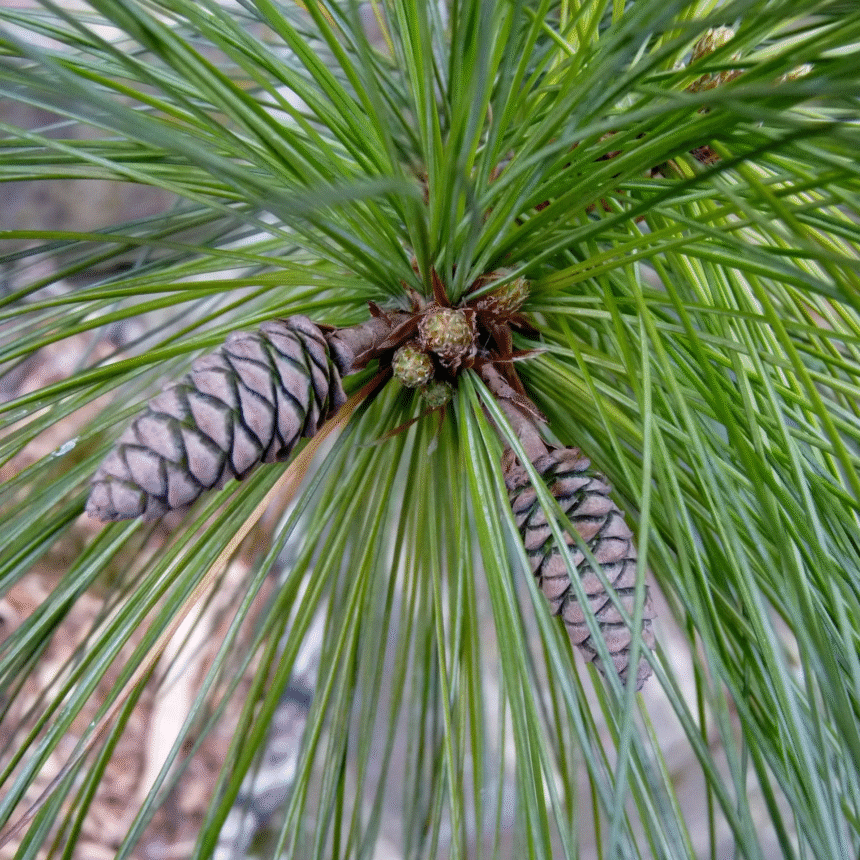
- Coniferous trees: pine, fir, spruce (your festive fir tree is practically a beta-pinene diffuser)
- Rosemary & basil 🌿
- Parsley & dill 🥗
- Coriander 🍃
- Cumin & hops
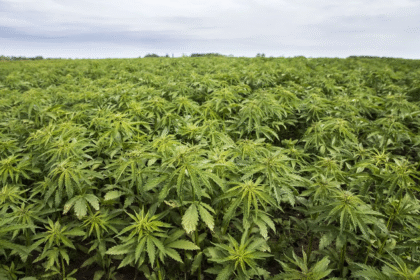
- Cannabis strains with a green, resinous bite
Essentially, it’s a botanical globe-trotter, lending sharp, resinous, piney notes to both spice cupboards and forests.
Historical and folk uses
Plants rich in beta-pinene have been woven into human health traditions for centuries:
- Pine resin: used in balms, wound dressings, and incense, prized for its antimicrobial and protective qualities.
- Rosemary & basil: staples in Mediterranean herbal medicine, associated with clarity of thought, improved digestion, and antiseptic washes.
- Essential oils: coniferous oils were historically used in steam inhalations for coughs, colds, and chest congestion.
So beta-pinene, like its alpha twin, has long been part of humanity’s forest pharmacy.
What the science says (modern findings with a funky flourish)
1. Anti-inflammatory & antioxidant effects
Lab and animal studies consistently show beta-pinene can dampen inflammatory markers and protect cells from oxidative stress. Reviews suggest it works by downregulating pro-inflammatory cytokines and supporting the body’s antioxidant defences. Promising for conditions tied to inflammation, though large human studies are still lacking.
2. Antimicrobial activity
Beta-pinene has shown antibacterial and antifungal activity in vitro, including against nasties like Staphylococcus aureus and Candida albicans. This backs up its historical use in balms and antiseptic washes. Whether it can be harnessed clinically in humans is still an open question, but the lab data is strong.
3. Cognitive and mood effects
Much like alpha-pinene, beta-pinene may influence the brain. Some preclinical studies suggest potential acetylcholinesterase inhibition (helping preserve acetylcholine, key for memory and learning), and anecdotal reports link it with mental clarity and alertness. Human trials here are minimal, but the theory is compelling.
4. Anticancer potential
Preclinical studies hint at anti-proliferative effects on certain cancer cell lines, and some suggest beta-pinene might enhance apoptosis (programmed cell death) in tumours. Again, this is very early stage and not yet translated into human medicine.
The clinical reality
- Safety: Found in everyday herbs and trees, beta-pinene is generally safe in normal dietary exposure. As with other essential oils, concentrated forms should be used with care to avoid skin irritation or toxicity at high doses.
- Efficacy: While preclinical studies look exciting (anti-inflammatory, antimicrobial, cognitive, anticancer), the human clinical evidence is thin. Most benefits are still inferred from folk use and lab studies rather than robust trials.
The takeaway (pine-fresh and punchy)
Beta-pinene is the crisp, green, resinous terpene that makes forests, rosemary, and cannabis strains smell so invigorating. Historically it’s been part of herbal remedies for wounds, infections, and respiratory complaints. Modern science largely agrees on its anti-inflammatory, antimicrobial, antioxidant, and potential cognitive-supporting effects, though the evidence comes mostly from lab and animal models so far.
In short: it smells like the forest, acts like a protector in the lab, and may one day find its place in medicine. Until then, enjoy it in your rosemary roasties, your IPA, or your next forest stroll. 🌲✨