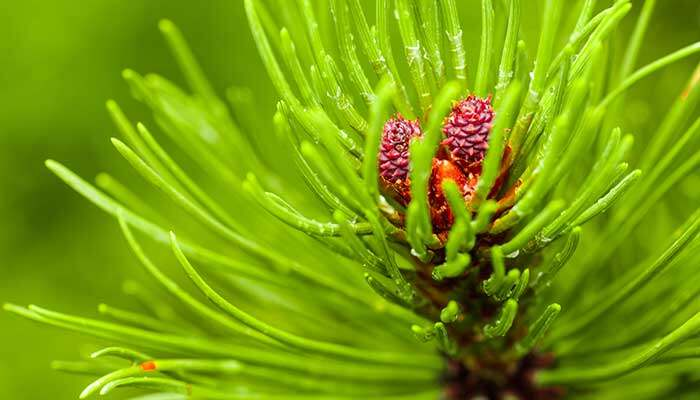
If humulene is the hoppy elder and limonene the zesty spark, then alpha-pinene is the woodland sage, striding out of a pine forest with resin on its boots and a pocketful of herbal remedies. With a sharp, resinous, piney scent (you’ve literally smelt it on Christmas trees or in a pine forest walk), alpha-pinene is one of the most abundant terpenes in nature, and one of the most studied.
Where alpha-pinene lives naturally
Clues in the name: pine trees are its biggest stomping ground, specifically their resin. But that’s not its only address. You’ll also find it in:
- Rosemary and sage 🌿
- Basil and parsley 🌱
- Dill and bay leaves 🍃
- Eucalyptus 🌿
- Orange peel 🍊
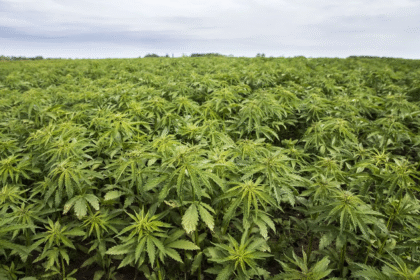
- And yes, in many cannabis strains, where it contributes that sharp, woody, evergreen vibe
Basically, if it smells like a walk in the woods or a Mediterranean herb garden, alpha-pinene is probably lurking about.
Historical and folk uses
Plants rich in alpha-pinene have been used since ancient times, often in traditional medicine and rituals:
- Pine resin: burned as incense, used as an expectorant, and applied to wounds.
- Rosemary & sage: classic herbal tonics for memory, clarity, and protection in European and Mediterranean folk medicine.
- Eucalyptus oils: used as a natural decongestant in inhalations.
So even long before lab coats and chromatography machines, alpha-pinene was woven into human healing lore.
What the science says (modern evidence, funky delivery)
1. Anti-inflammatory & antioxidant powers
Multiple animal and cell studies show alpha-pinene has anti-inflammatory activity, reducing inflammatory mediators like prostaglandins and interleukins. It also behaves as an antioxidant, protecting cells from oxidative stress. This suggests potential in conditions tied to inflammation, though human clinical proof is thin on the ground.
2. Respiratory benefits (breathe easy!)
Alpha-pinene is a natural bronchodilator in animal studies, meaning it may help open airways, which could explain why pine and eucalyptus oils have been used in folk remedies for coughs and congestion. Early preclinical evidence supports these effects, but robust human trials are lacking.
3. Cognitive effects (memory boost potential)
Here’s where it gets extra interesting: alpha-pinene may act as an acetylcholinesterase inhibitor. In plain English, that means it helps preserve acetylcholine, a neurotransmitter linked with memory and learning. Some animal studies suggest this could mean cognitive support, possibly relevant for neurodegenerative conditions like Alzheimer’s. Still early days, but a promising area of research.
4. Antimicrobial activity
Like many terpenes, alpha-pinene has antimicrobial effects in vitro, showing activity against certain bacteria and fungi, including Staphylococcus aureus. Handy in herbal and essential oil traditions, though again, petri dish results don’t always scale up neatly to humans.
5. Anticancer investigations
Preclinical work has explored alpha-pinene’s ability to slow tumour growth in cell cultures and animal models. There’s evidence of pro-apoptotic effects (helping “switch off” cancer cells) and synergy with other compounds. But these findings are preliminary, human trials are still needed.
The clinical reality
- Safety: Found in everyday foods and herbs, alpha-pinene is generally safe in dietary amounts. Essential oils should be used carefully, undiluted application can cause irritation.
- Efficacy: While the preclinical science is rich (anti-inflammatory, cognitive, respiratory, antimicrobial, anticancer), solid human trials are still scarce. At best, a handful of small studies support its traditional uses, but nothing yet conclusive enough for clinical guidelines.
The takeaway (short, sharp, pine-scented truth)
Alpha-pinene is nature’s forest-fresh terpene, abundant in pines, herbs, and cannabis. Traditional medicine leaned on it for respiratory and cognitive support, and modern science largely agrees, at least in test tubes and animal models. It looks anti-inflammatory, antimicrobial, bronchodilatory, and maybe memory-boosting.
But as with most terpenes: it’s promising, it’s fascinating, it’s safe in everyday herbs and foods — yet we’re still waiting on robust human trials to prove it beyond folk wisdom.
So next time you take a deep breath in a pine forest and feel refreshed, that’s alpha-pinene giving you a molecular high-five. 🌲✨