If the terpene world were a carnival, alpha-phellandrene would be the juggler, lively, unpredictable, and just a touch mysterious. It’s got a peppery, citrusy, slightly minty aroma, like someone stirred lemon peel into a forest breeze. Not as famous as limonene or pinene, but definitely one of the most intriguing. Historically, plants rich in alpha-phellandrene have been used for energy, healing, and fighting off bugs, and now science is catching up to what herbalists have known for centuries.
Where you’ll find alpha-phellandrene naturally 🌱
Alpha-phellandrene pops up in a bunch of aromatic plants and herbs that smell like sunshine in a bottle:
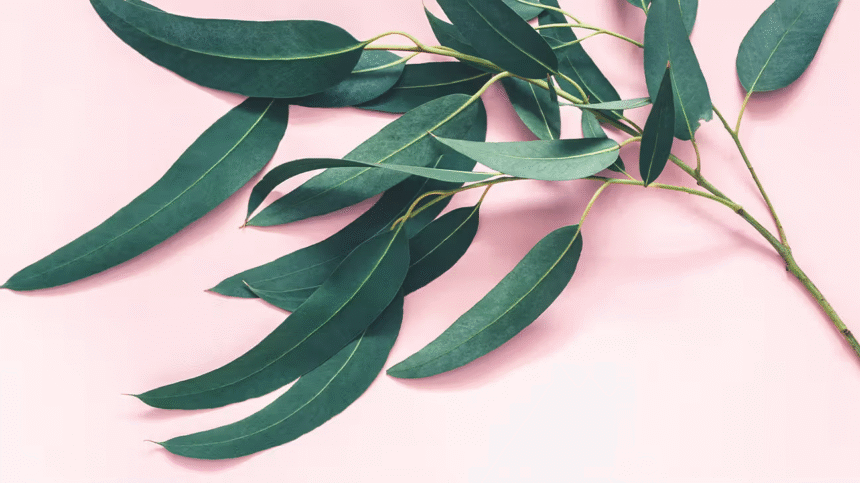
- Eucalyptus 🌿
- Ginger 🫚
- Pepper (black & long pepper)
- Parsley 🍃
- Dill 🌸
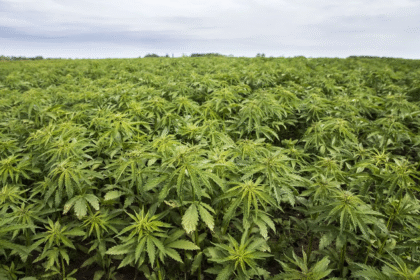
- Cannabis (in some citrusy, spicy strains)
- Turmeric 🌻
Its scent is zesty and herbal with that foresty undertone, the perfect middle ground between citrus sparkle and earthy depth.
Historical uses 🧴
Before modern labs and chromatography machines, people were already putting alpha-phellandrene rich plants to work. Historically, it’s been:
- Used in traditional Chinese and Ayurvedic medicine for its stimulating and warming properties, great for colds, congestion, and muscle aches.
- Eucalyptus and dill oils were used as natural antiseptics and inhalants for respiratory relief.
- Applied topically (in diluted forms) to help with joint pain and skin irritation.
- Diffused or burned for insect repelling and mood-lifting effects.
So it’s long been part of the herbal toolkit for invigoration and protection.
What science says 🔬
1. Anti-inflammatory & antioxidant powers
Several studies have shown that alpha-phellandrene demonstrates anti-inflammatory and antioxidant effects, helping to calm oxidative stress and reduce the production of inflammatory molecules. Translation: it might help your body chill out at the cellular level.
2. Antimicrobial & antifungal action
Research has shown that essential oils rich in alpha-phellandrene (like eucalyptus and dill oil) have antimicrobial properties, effective against certain bacteria and fungi. These effects support its traditional use as a natural disinfectant and air purifier.
3. Pain & inflammation relief
In animal studies, alpha-phellandrene has shown analgesic effects, reducing both pain perception and swelling, much like other terpenes such as beta-caryophyllene and myrcene.
4. Insecticidal benefits
Here’s a fun twist: nature uses alpha-phellandrene as a bug deterrent. It’s been shown to repel certain pests (like mosquitoes and moths), which explains why so many insect repelling essential oils, eucalyptus, dill, and ginger, smell vaguely alike.
5. Potential anticancer properties
Preliminary cell studies suggest alpha-phellandrene might inhibit tumour cell proliferation and induce apoptosis (cell death) in some cancer models. It’s early days, but it adds to the growing interest in terpene based therapeutics.
Safety & reality check 🧪
- Generally safe: Found in foods, herbs, and essential oils used daily.
- Essential oils: Should always be diluted for topical use to avoid irritation.
- Scientific stage: Most studies are preclinical, we need human trials to confirm the benefits.
The big picture 🌿🍋
Alpha-phellandrene is the zesty trickster of the terpene world, bright, spicy, and just a little cheeky. Found in eucalyptus, ginger, dill, and cannabis, it’s been historically used for respiratory relief, pain, and infection control, and now research suggests it offers anti-inflammatory, antioxidant, antimicrobial, and even anticancer potential.
So next time you catch that lemony woodsy scent in your herbal tea or essential oil diffuser, take a deep breath and remember: alpha-phellandrene is the life of the terpene carnival, lively, healing, and just unpredictable enough to keep things interesting. 🎪🌿✨